
Why the alphabet is more than memorization
Letters are symbols children carry into every subject. What changes when we treat them as ownership, not recall?
Media resources for The Learning Force — books, ideas, speaking, and initiatives.
“We may be unintentionally limiting how learners demonstrate capability by focusing too narrowly on traditional academic pathways.”
Download assets and reference materials for interviews, events, and editorial coverage. High-resolution files beyond what is listed here are available on request.

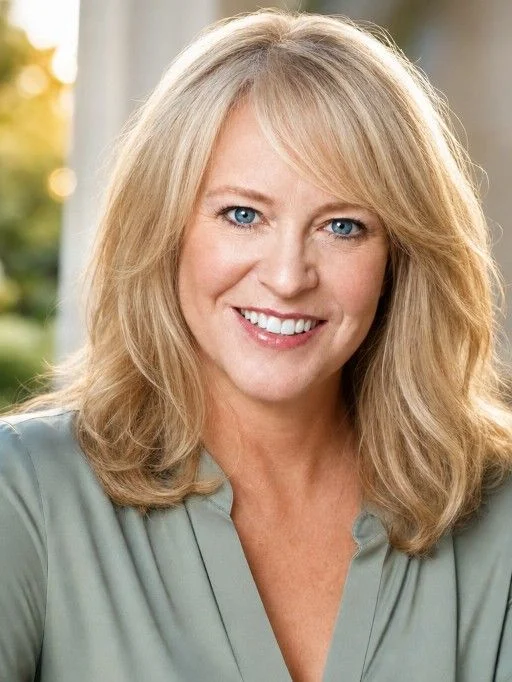
Portrait for print and digital — request larger files via the contact form.
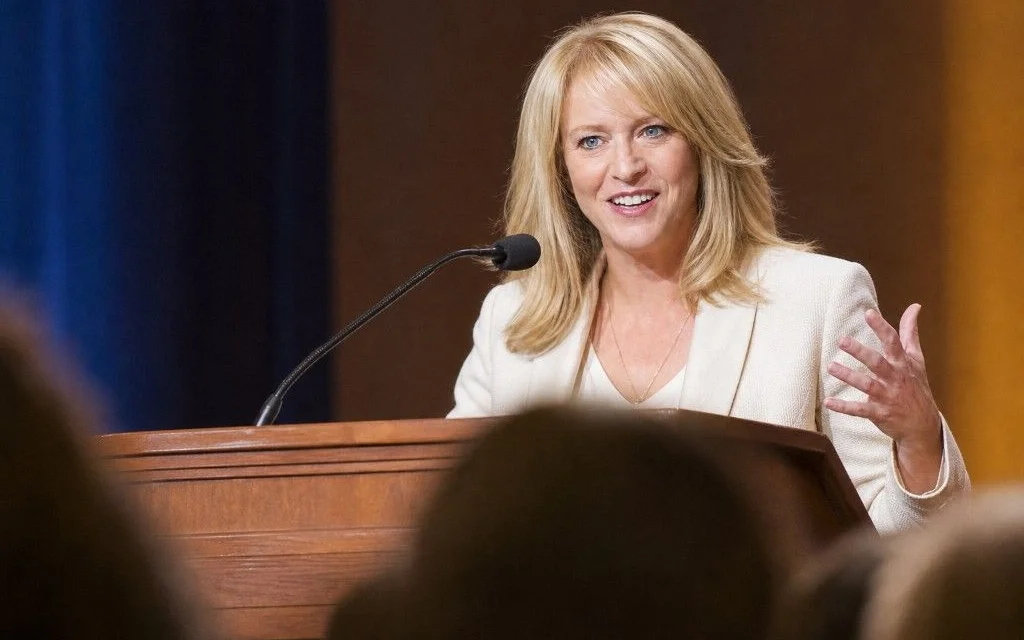
Diane Devenyi, JD, MEd, exposes a hidden issue in how we learn the alphabet that affects how we think, focus, and communicate. Her work with children and adults helps restore clarity, confidence, and ease in learning and expression.
Diane Devenyi, JD, MEd, founded The Learning Force in 2003 and has spent more than 25 years helping children and adults overcome reading, writing, and focus challenges so they can think, learn, and express themselves with confidence and joy. Creator of Alphabetter™ and the Hidden Genius Literacy Assessment, she helps families, schools, and communities recognize capability before frustration becomes identity. A former lawyer turned author and educator, Diane is known for challenging long-held assumptions about learning and helping families discover what's really happening when bright people struggle. The result is more than academic progress — it is renewed confidence, stronger relationships, and the freedom to fully develop one's gifts and potential.
Editorial angles and full articles — use freely with attribution to The Learning Force.
Letters are symbols children carry into every subject. What changes when we treat them as ownership, not recall?

When handwriting stays chaotic, families often hear carelessness. The story is usually more structural than that.
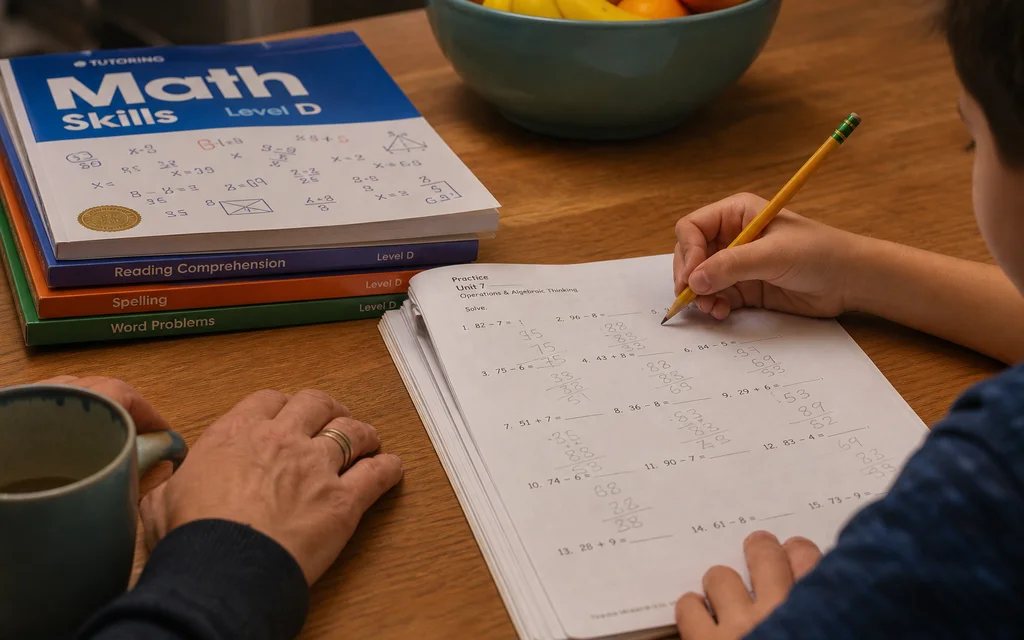
More hours do not always reach the layer where friction lives. A different starting point can change the whole family rhythm.